Big Butterfly Count
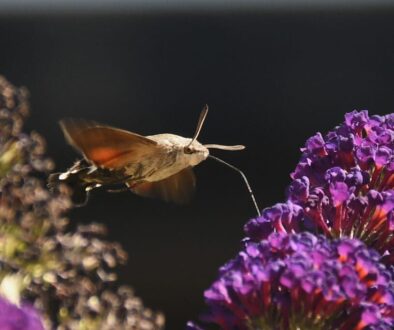
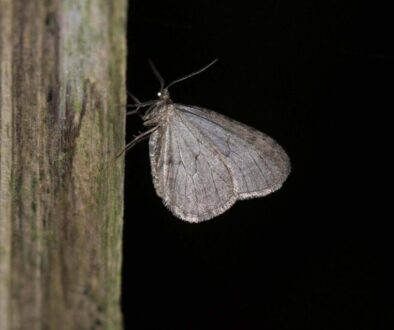
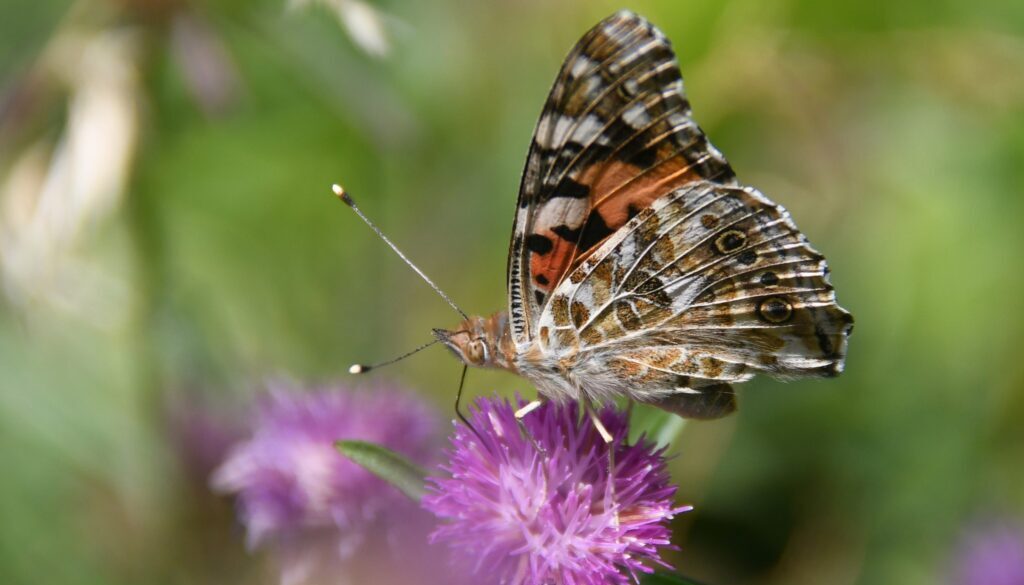
I know that Butterfly Conservation’s national Big Butterfly Count is a statistical exercise, and a negative 15-minute count is as valuable as a positive count, but it is always tempting to await the first butterfly. In my case, I spotted a Hummingbird Hawkmoth (image 1) (some moths also count) on our garden Buddleia ‘Butterfly Bushes’ and set the timer. To my amazement, next came a Painted Lady (image 2) and then another, then two Comma, two Red Admiral (image 3) and, in the general vicinity, two Small White (image 4), a Small Copper (image 5), a Gatekeeper (image 6), a Meadow Brown (image 7) and a Common Blue and then finally, an immigrant Silver-Y moth (image 8). Thirteen butterflies and moths of ten species.
This was an usually high count as many butterflies seem to fly past our buddleia bushes. Google tells me that during drought conditions Buddleia has a shorter flowering season, the flowers dry quickly and make less sugary nectar with lower nutrient concentrations of all making them less attractive to butterflies. Watering helps, but perhaps not during current water use restrictions.
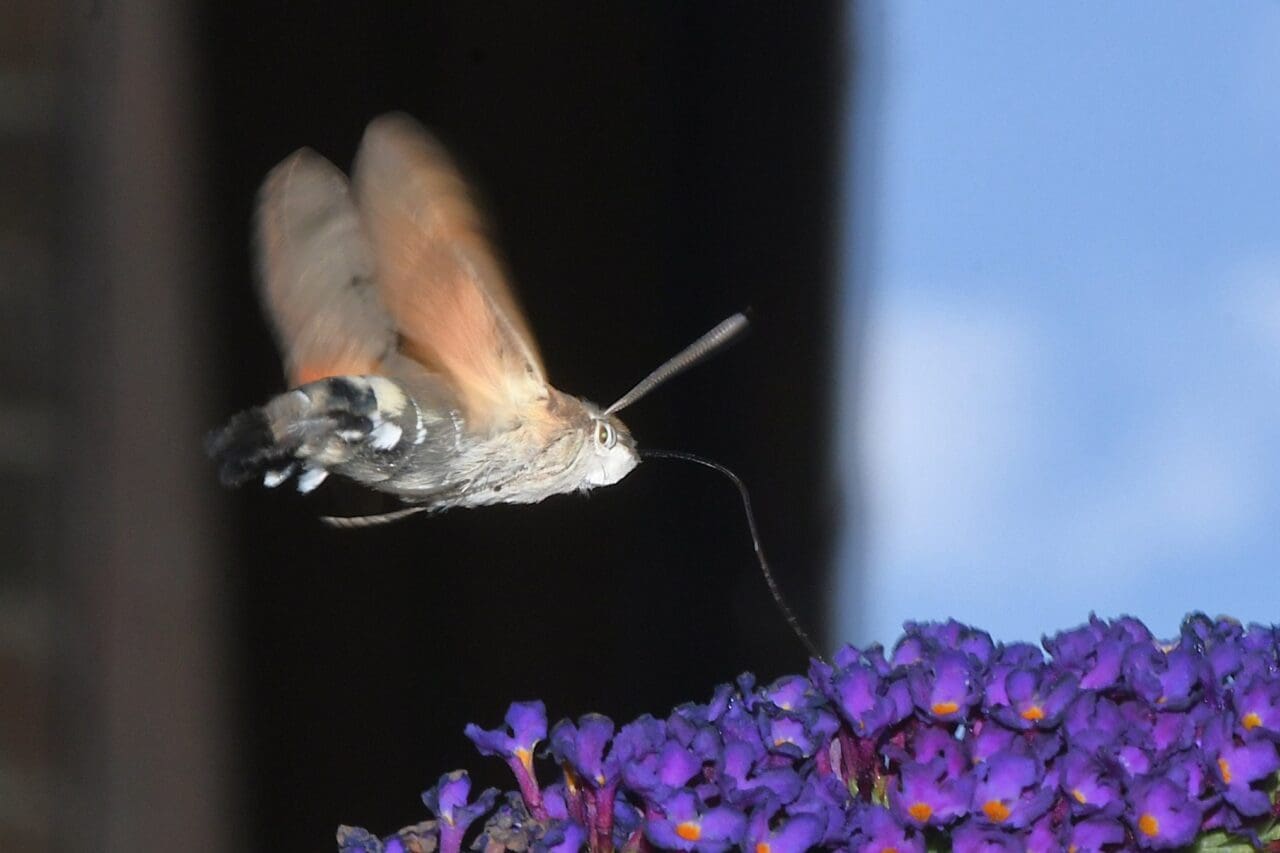
1. Hummingbird Hawkmoth
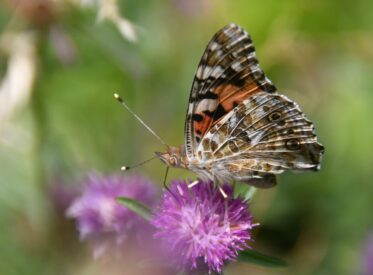
2. Painted Lady
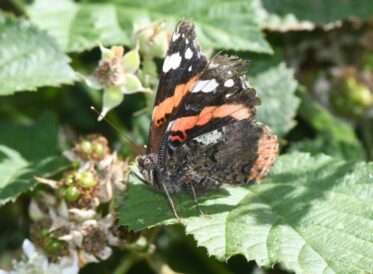
3. Red Admiral
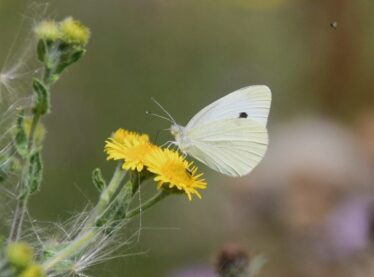
4. Small White
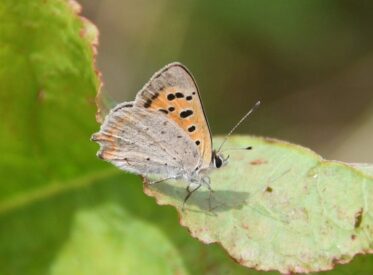
5 Small Copper
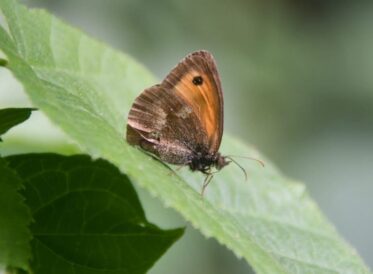
6. Gatekeeper
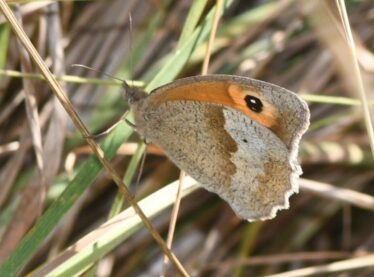
7. Meadow Brown
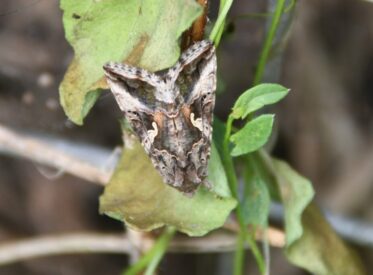
8. Silver-Y
Another species has been the Speckled Wood (image 9) at the wooded end of our garden, and which gains sustenance not from flowers but from aphid honeydew at the tops of trees.
The survey also includes the large black and white diagonal striped Jersey Tiger (Image 10) moth with brilliant red underwings, an immigrant from the Channel Islands and mainland Europe and locally resident. One recent evening after dark, ten of these spectacular moths arrived at our moth trap and another was feeding at the top of our Buddleia bush. I have also seen in daylight in our garden.
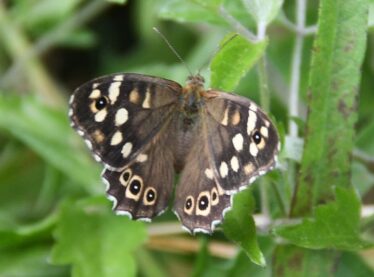
10. Speckled Wood
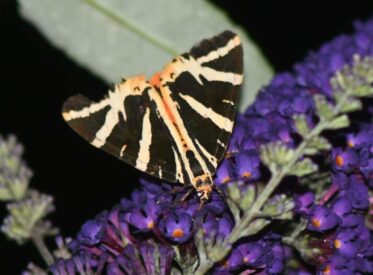
10. Jersey Tiger
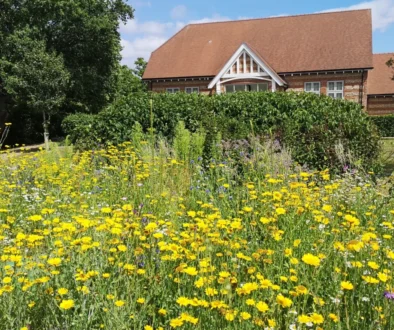
The Big Butterfly Count survey only covers the more common garden species and so fails to include the less common or easily missed butterfly species. Other species I have seen during surveys this year on Stroud Village Green have included the brilliant deep yellow Clouded Yellow (image 11) (an immigrant from southern Europe and north Africa), Large White, and the much smaller Small Heath (image 12) and Brown Argus (image 13). The Brown Argus is very similar to the female Common Blue and careful examination of the wing pattern is needed to distinguish one from the other. The village green produced a great many Meadow Brown and Gatekeeper butterflies, but so far, no Ringlet nor Marbled White (although we had a Marbled White in our garden).
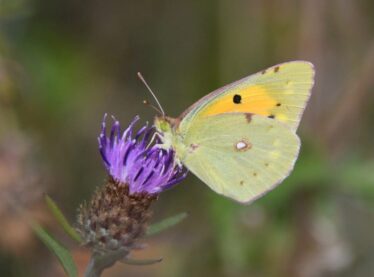
11. Clouded Yellow
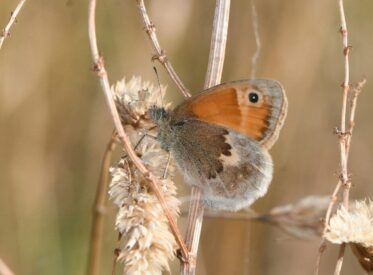
12. Small Heath
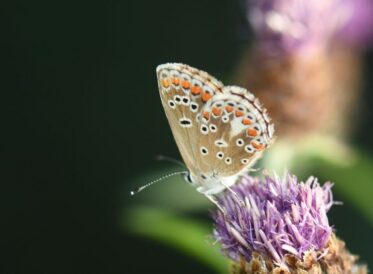
13. Brown Argus
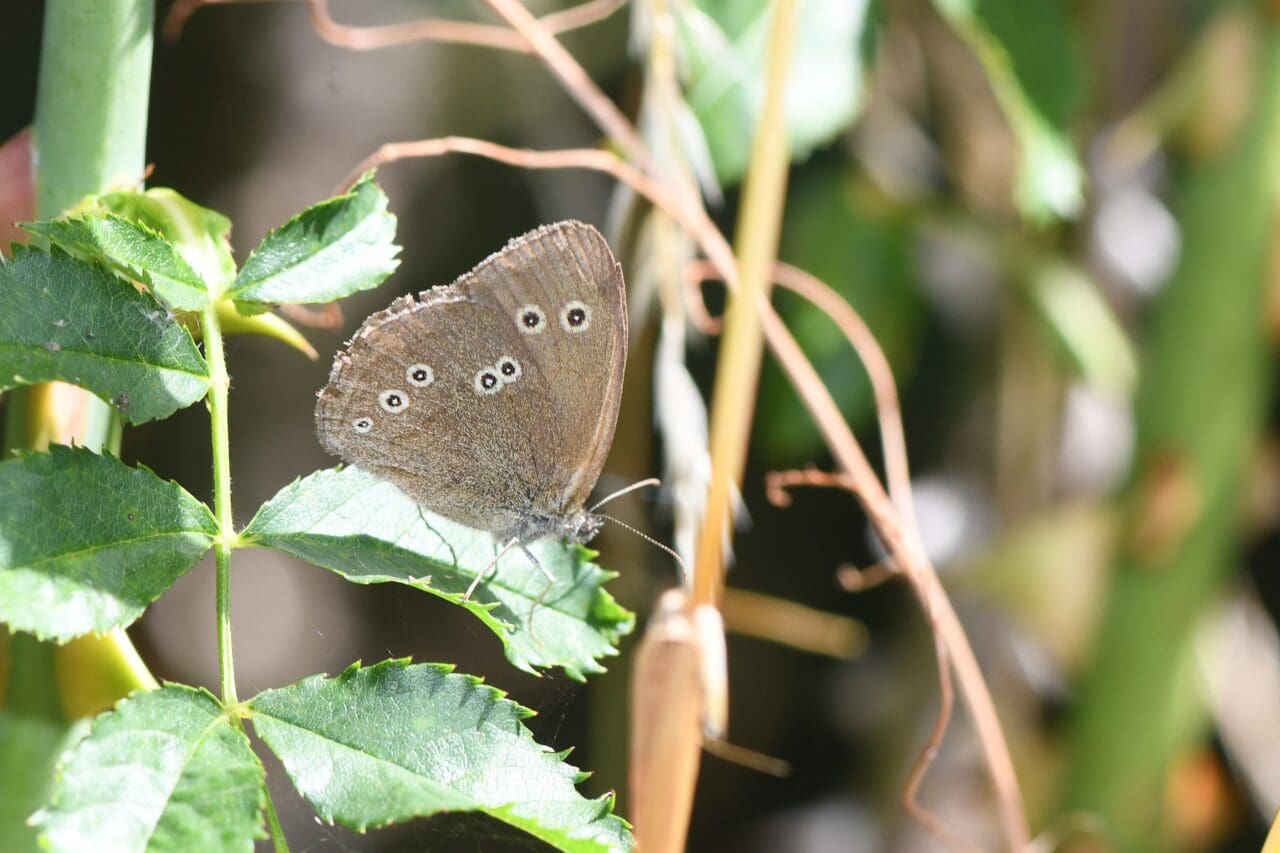
A fifteen-minute survey at Stroud Village Hall produced five Small White, a Large White and a Red Admiral. I am sure there would have been more if I had stayed longer. An earlier visit during National Insect Week on 27 June produced Small Copper, Painted Lady, Ringlet (image 14), Large Whites, Marbled White, Small Skipper, and Brimstone butterflies.